Sarah Mitchell
Clinical Psychologist

Verity Behavioral Services LLC is a non-profit mental/behavioral health service for low performaning students


 ABOUT US
At Verity Behavioral Services LLC, we believe that every person deserves the chance to live a healthier, more balanced life. Our center was created with a single purpose: to provide compassionate care for individuals facing challenges with mental health and addiction.
From the very beginning, our focus has been on delivering treatment that respects each person’s story. What started as a vision of health-focused experts determined to create positive change has grown into a trusted place for recovery and support.
We provide a safe, welcoming environment where individuals can begin their healing journey. Our team of clinicians, counselors, and support staff work together to design personalized care plans that address the whole person—mind, body, and spirit. By combining evidence-based therapies with holistic practices, we help people rediscover strength, build resilience, and find hope for a brighter tomorrow.
At Verity, we understand that recovery is not a single step but a lifelong journey. That’s why we go beyond treatment, offering guidance, education, and aftercare resources to support lasting wellness. Our mission is simple: to stand beside every individual who seeks healing, and to walk with them toward a healthier future.
 OUR PROMISE
To provide compassionate, evidence-based care that empowers individuals to overcome mental health and addiction challenges and reclaim a healthier, more fulfilling life.


To be a trusted center of healing where every person finds hope, strength, and long-term wellness.


We stand for integrity, compassion, respect, and dedication to holistic, person-centered care.
 OUR SERVICES

Alcohol is one of the most dangerous drugs to stop using abruptly, so it is important that your detox be carried out in a safe environment, using medicine, if necessary, to help manage your withdrawal symptoms, which can be life threatening in certain circumstances.
We understand the weight of this challenge, and therefore our alcohol addiction treatment center provides medically supervised detoxification to safely manage your withdrawal symptoms.
Taking the first step by looking for help is very often the hardest; so congratulations!
Our 30-day inpatient program at Miracles Asia offers a comprehensive alcohol addiction rehab that equips you with the necessary tools and support you need to live a healthy and happy lifelong recovery.
Reach out to us if you’re ready to cut to the chase, and speak directly to an addiction specialist about the admissions process. You may also want to continue reading, so that you know how we would go about aiding your own recovery process.
Key Takeaways
Alcohol addiction is treatable, and seeking help is the first step towards a healthier and happier life.
Detoxing from alcohol can be dangerous, and it is important to do so in a safe environment with proper medical supervision.
Miracles Asia is a licensed and certified addiction program that offers personalized treatment plans for individuals struggling with alcohol addiction.

Depression is so much more than just feeling blue. While it is normal to feel sad from time to time, for people with depression, life feels utterly devoid of joy. If you feel hopeless, incapable of finding pleasure in things you were once passionate about, or unable to summon the energy and concentration required for you to complete your daily tasks, you may be suffering from depression.
What are the Symptoms of Depression?
Depression manifests in different intensities and durations. There are different types of depression, each with distinct characteristics. Major Depressive Disorder (MDD) involves intense emotional pain and functional impairment; Persistent Depressive Disorder (Dysthymia) features a chronic, milder sadness lasting at least two years; and Bipolar Depression, which is a part of bipolar disorder, is characterised by alternating periods of depression and mania or hypomania.
How Do I Beat Depression?
Overcoming depression is a journey that often involves a combination of professional help, self-care, and lifestyle changes.
At The GAP Initiative, we recognise that depression often stems from emotional trauma experienced at some point in your life. Therefore, we employ a person-centred and trauma-informed approach to address both your presenting symptoms and underlying issues. Guided by our specially designed Treatment Roadmap, we provide a comprehensive and personalised treatment plan. With our team’s extensive experience in evidence-based therapies and holistic approaches, we’ll help you reclaim your life with renewed hope and resilience.

The GAP Initiative is a highly-regarded addiction rehab, that offers personalized and comprehensive treatment programs for individuals struggling with misuse of prescription and illegal drugs.
Our holistic inpatient addiction treatment program at our drug rehab facility, we boasts an 85% success rate which is among the best you can find worldwide.
Our clinical and support team have decades of experience in helping those who suffer from dependence on drugs get a handle on their addiction, while also investigating any potential underlying mental health problems so that you can construct a life that you can be truly proud of.
Our programs are made up of a combination of detox, medication, individual psychotherapy, group psychoeducational classes, physical health assessments, nutritional advice, and constant assistance from our team of highly-qualified addiction specialists.
Here are just a few of drugs that our clinical team are able to assist you changing your habits with:
Your Mental Health Is Our Focus
It is no secret that mental health problems and addiction often go hand-in-hand. Addiction can be a way of coping with mental health problems, or mental health problems can develop as a result of addiction.
Either way, the two are often intimately linked.
Addiction can cause a great deal of damage to one’s mental health on its own. The stress of living with addiction can lead to anxiety, depression, and a wide range of other mental health disorders.
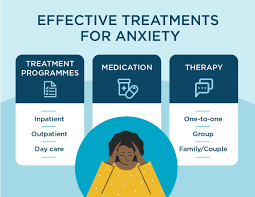
While there are several types of anxiety disorders, they all include excessive worrying, especially in situations that are not threatening. Some anxiety conditions include:
Any of these disorders may disrupt your life, and people who struggle with anxiety sometimes also experience depression or other mental illness. The most important thing to know about anxiety disorders is that they are treatable.

Post-Traumatic Stress Disorder, often known as PTSD, can affect anyone.
Living through any traumatic event is difficult. But for people with PTSD, it feels impossible to let go of those memories or feelings.
When your symptoms affect your daily routine, and your illness interferes with your relationships, it may be time to talk with a mental health professional.
PTSD is a challenging and sometimes devastating mental health condition that includes many possible symptoms. It typically centers around a traumatic experience. You may have directly experienced that trauma or witnessed the event happening to someone else. Some people develop PTSD when they learn about the violent or unexpected death of a family member or friend.
Examples of trauma include war zone exposure, physical or sexual assault, natural disasters, serious accidents, terrorist attacks, and child sexual or physical abuse. The illness can occur soon after the event, or it can start later. Symptoms may come and go over many years.
PTSD affects people differently, even if two people experienced the exact same traumatic event at the same time. But there are four types of symptoms that are common to most people with PTSD:
PTSD is not a one-size-fits-all diagnosis. So, your treatment plan should be customized to meet your unique needs.
Both psychotherapy and medication have been shown to be effective in treating PTSD. Medication may include antidepressants, while anti-anxiety medications may help ease symptoms in the short-term.
Cognitive Behavioral Therapy (CBT) is a type of talk therapy that addresses PTSD in two ways. It helps people face and control their fear through safe exposure to the memory, and it also helps people challenge their recollection of the event, as well as ongoing negative thought patterns.
Other treatment for PTSD may include group therapy, which can help lessen feelings of shame and reduce feelings of helplessness. Mindfulness training and holistic therapies, like yoga and art therapy, are also effective for treating PTSD.
Depending on the level of care you need, you may be recommended for inpatient mental health treatment, which provides 24-hour medical monitoring as well as opportunities to participate in individual, group, and family therapy sessions. Following inpatient treatment, some people will step down into outpatient mental health treatment treatment, while others may begin their PTSD treatment as an outpatient. In outpatient care at Columbus Springs, you’ll receive comprehensive treatment that includes therapy and medication management.
Many people with PTSD also struggle with other mental illnesses, including depression, substance use, or another anxiety disorder. It’s important that your treatment plan address all of your needs and goals for recovery.
Your first step toward recovery is to have a complete assessment. Our team of specialists will ask about your physical and mental health, along with any symptoms you’re currently experiencing. You can schedule a no-obligation assessment by calling or chatting with us anytime, day or night. We also accept walk-in appointments.
Following your assessment, we’ll work with you to develop a treatment plan customized to meet your specific needs.
Bipolar disorder is a mental condition in which a person has wide or extreme mood swings. In most people with bipolar disorder, there is no clear cause for the periods of extreme happiness and high activity, or depression and low activity.
The following may trigger a manic episode in someone with bipolar disorder:
The Columbus Springs multidisciplinary team of psychiatrists, therapists and clinicians work together to thoroughly assess each patient and ensure they receive a customized plan of care.
Treatment for Bipolar Disorder Can Include:
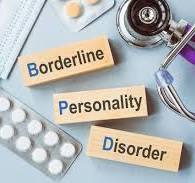
Borderline personality disorder (BPD) is a complex condition that impacts how a person thinks, feels, and behaves.
People who live with BPD often have difficulty maintaining stable relationships, and several symptoms can be dangerous. While some are similar to other mental illnesses, the combination of BPD symptoms can feel overwhelming.
If you or someone you love is struggling with BPD, we can help.
BPD is a serious illness – and while it can be challenging, it’s also treatable.
Generally, people with BPD experience intense mood swings and have trouble regulating their emotions. This can impact relationships with loved ones and lead to impulsive and sometimes destructive behaviors.
Borderline personality disorder symptoms include:
Not everyone with BPD will experience all of these symptoms, but some people will experience many of them over time. These symptoms usually appear during adolescence or early adulthood, although early symptoms may occur during childhood.
One reason BPD is difficult to diagnose is because the condition is often accompanied by other mental illnesses, such as depression, anxiety or substance use. During a mental health assessment, be sure to discuss all your symptoms and concerns.
With treatment, people who have BPD can live healthy, productive, and fulfilling lives. When you seek treatment, you may be prescribed therapy, medication or, likely, both.
There’s no one medication that is specifically made to treat BPD, but medication can often help relieve symptoms and treat other co-occurring illnesses, like depression. People with BPD may benefit from antidepressants or mood stabilizers to help with extreme mood swings.
Medication is usually prescribed in conjunction with psychotherapy, sometimes called talk therapy. Specifically, Cognitive Behavioral Therapy (CBT) helps people with BPD challenge their core beliefs and negative patterns of thinking. CBT can help you learn new ways to interact with others while teaching you skills to manage your emotions.
At our facility, both inpatient and outpatient services typically offer individual, group, and family therapy, along with medication management. Other opportunities may include holistic therapies, like yoga or music therapy, as well as mindfulness training and wellness education.
It’s important to receive the correct diagnosis for borderline personality disorder as people with BPD are often misdiagnosed due to overlapping symptoms with other illnesses. To get help at our facility, you can schedule a no-obligation assessment by calling or chatting with us anytime, day or night. We also offer walk-in appointments.
Your assessment will help our team understand your history with BPD and identify all of the symptoms you’re experiencing, as well as any other physical or emotional concerns you have. We’ll then work with you to create a comprehensive treatment plan to meet your needs.

Many who are struggling with thoughts of suicide suffer in silence, feeling hopeless and alone. People who try to take their own life are often trying to get away from a situation that seems impossible to deal with. Suicide is the tenth leading cause of death in the US, claiming over 44,000 lives per year. Please call us immediately at 614-717-1800 if you or someone you know is thinking about suicide.
Suicide and suicidal behaviors usually occur in people with one or more of the following conditions:
Often, but not always, a person may show certain signs and behaviors before a suicide attempt, such as:
Always take suicide attempts and threats seriously.
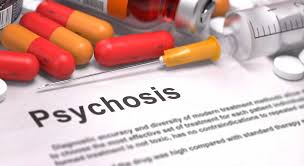
Psychotic episodes are symptomatic of mental health conditions including, but not limited to:
Depending on the underlying cause of the disorder, symptoms of psychosis can include:
Inpatient hospitalization is often the most appropriate environment to begin the treatment process. The Columbus Springs multidisciplinary team of psychiatrists, therapists and clinicians will work closely with you to understand the underlying cause of the psychosis and determine specific treatment needs.
Your plan of care can include:
PHOTO GALLERY







 QUESTION AND ANSWERS

We provide treatment for depression, anxiety, PTSD, bipolar disorder, borderline personality disorder, psychosis, suicidal ideation, alcohol addiction, and drug addiction.
Yes. We have inpatient (residential) programs for those who need 24/7 support and outpatient programs for individuals who need flexible treatment while living at home.
If you or your loved one are experiencing severe mood swings, inability to cope with daily life, suicidal thoughts, or dependency on alcohol/drugs, it may be time to seek professional help.
We use evidence-based approaches such as individual therapy, group therapy, family counseling, medication management, cognitive-behavioral therapy (CBT), dialectical behavior therapy (DBT), trauma therapy, and holistic therapies (yoga, meditation, art therapy, etc.).
Yes. We have medically supervised detox programs to help patients safely withdraw from alcohol and drugs.
Absolutely. All services are confidential and follow strict privacy and HIPAA guidelines.
Treatment duration varies depending on the individual’s needs—inpatient stays may last 2–6 weeks, while outpatient and aftercare programs can continue for several months
Yes. We offer aftercare and relapse prevention programs, including ongoing counseling, support groups, and community reintegration support.
Yes. We encourage family participation through family therapy sessions and educational workshops.
Contact Our Expert Support Team
Our Trusted
OUR EXPERT TEAM



 Client’s Testimonials
WHEN OUR SON DECIDED TO GO TO THE GAP INITIATIVE TO GET HELP, WE WERE RELIEVED AND HOPEFUL THAT THIS WAS FINALLY THE PLACE THAT WOULD HELP HIM. AFTER A TWO MONTH STAY, IT BECAME OBVIOUS THAT OUR SON WAS GETTING THE HELP HE NEEDED.

“From day one, I felt understood and cared for. The combination of medical treatment, counseling, and holistic therapies helped me heal in ways I never thought possible.”

© Copyright 2025. All Rights Reserved by Verity Behavioral Services LLC
Design & developed by Vrutti IT Solutions